Construction jobs in Croatia are open to foreign workers from outside the EU through a combined residence and work permit, which your employer — not you — applies for. Wages range roughly from 1,200 EUR/month gross for general laborers to 2,500 EUR for specialists, and Croatian labor law protects all workers equally regardless of nationality.
Key takeaways
- Your employer (or their agency) handles the work permit — you should never pay large upfront fees.
- General laborers earn roughly 1,200–1,500 EUR/month gross; specialists up to 2,500 EUR.
- Net pay is typically 75–80% of gross after taxes and contributions.
- Croatian labor law applies equally to all workers, including health insurance from day one.
- Always insist on a written contract stating your gross salary.
What kind of construction jobs are available?
Croatia employs foreign workers across many construction roles:
- General laborers — site preparation, material handling, cleaning
- Masons and bricklayers — residential and commercial building
- Reinforcement workers (armaturi) — working with rebar in concrete structures
- Carpenters and formwork specialists — shuttering and concrete framework
- Facade workers — insulation and exterior finishes
- Tile layers and floor workers — residential finishing
- Welders and metalworkers — structural and industrial work
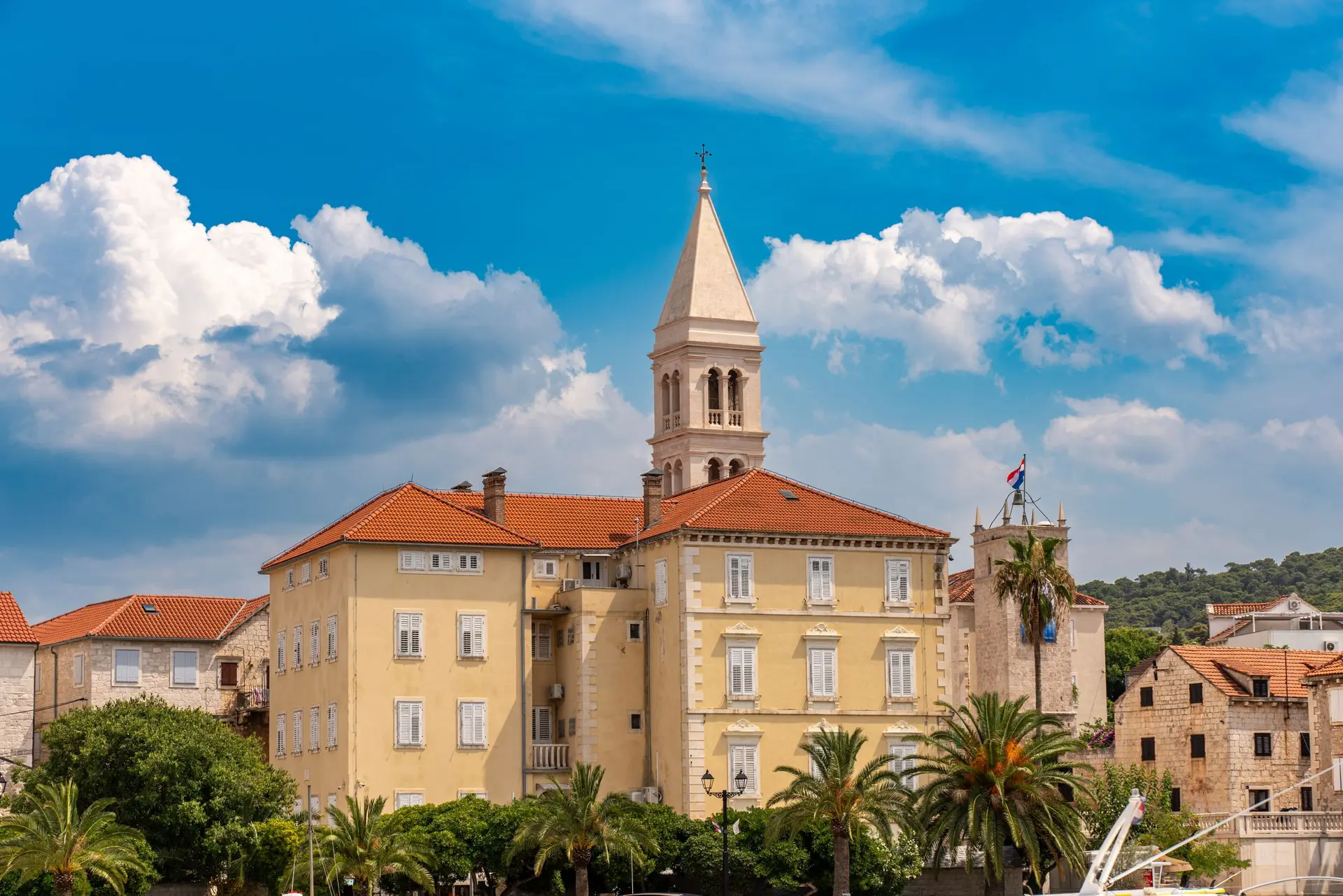
Most jobs are in Zagreb, Split, Rijeka, Dubrovnik, and smaller coastal towns during tourism infrastructure development.
What wages can you realistically expect?
Croatian construction wages for foreign workers vary by role and employer (approximate market figures):
- General laborer: 1,200 – 1,500 EUR/month gross
- Skilled tradesperson (mason, carpenter): 1,500 – 2,000 EUR/month gross
- Specialist (welder, reinforcement worker): 1,800 – 2,500 EUR/month gross
Net pay after Croatian taxes and social contributions is typically 75–80% of gross. A gross salary of 1,500 EUR means roughly 1,150–1,200 EUR in your account.
Important: always ask for your gross salary in writing in the employment contract. Verbal promises of "take-home pay" are not legally binding.
Who handles the work permit?
To work legally in Croatia you need a combined residence and work permit (dozvola za privremeni boravak i rad), issued by the Ministry of the Interior (MUP). The key point:
Your employer handles the permit — not you.
A legitimate Croatian employer (or the agency they work with) will:
- Initiate the permit application before you arrive
- Cover or reimburse most administrative costs (government fees, translations)
- Invite you to the Croatian embassy in your country for the D-visa after the permit is approved
If someone asks you to pay large upfront fees or to "arrange your own permit," be very careful — this is a common sign of a fraudulent job offer.
What are the working conditions and safety standards?
Croatian labor law applies equally to all workers, regardless of nationality:
- Maximum 40 hours per week (overtime paid additionally)
- At least four weeks (20 working days) of paid annual leave
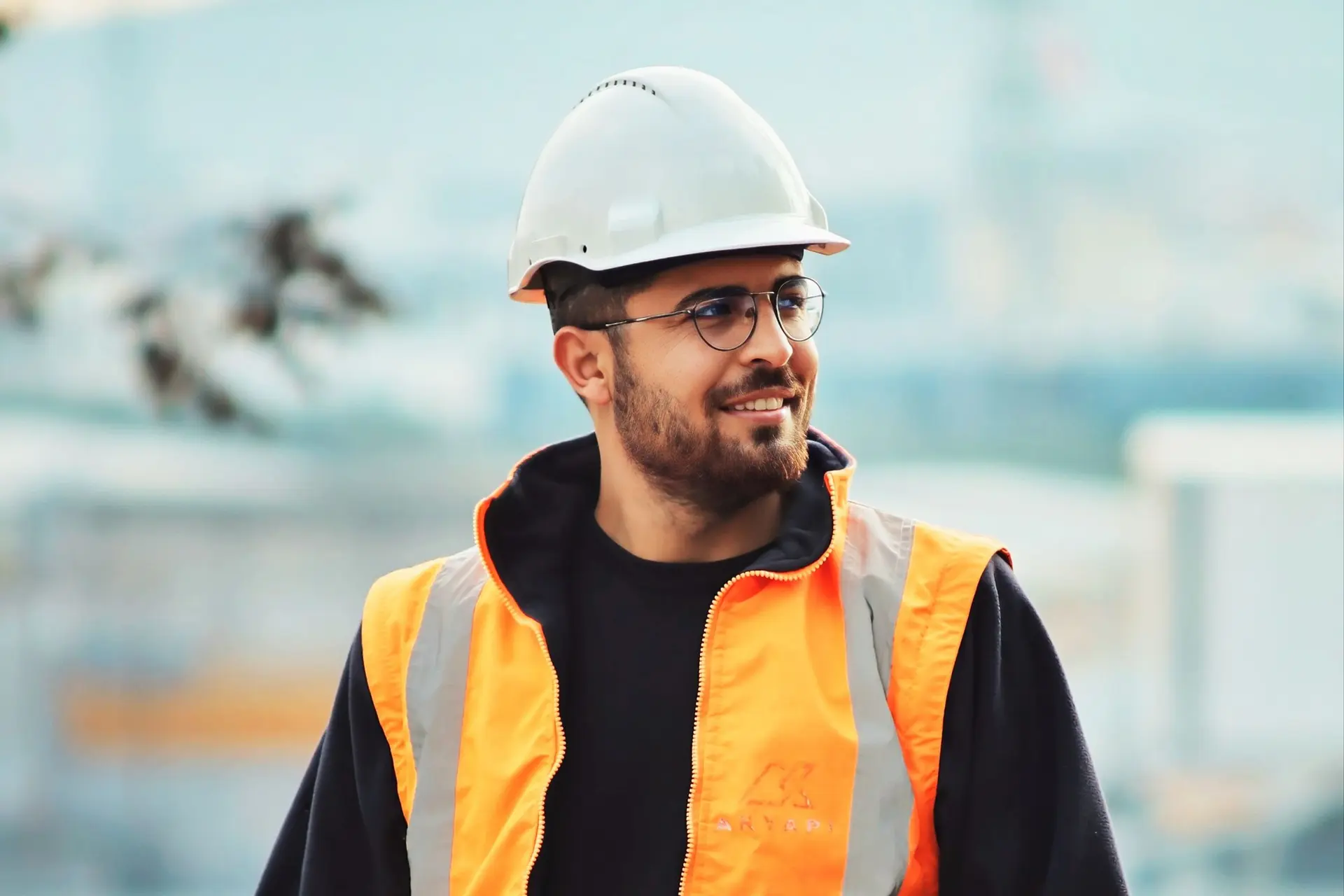
- Mandatory personal protective equipment (PPE) provided by the employer
- Right to health insurance from day one, through the Croatian Health Insurance Fund (HZZO)
Construction sites are supervised by the State Inspectorate (Državni inspektorat). Safety standards are comparable to other EU countries, though enforcement can vary between employers.
What about accommodation?
Most employers of foreign construction workers provide or arrange accommodation. Typically:
- Shared apartments or rooms: 2–4 workers per unit
- Cost is either covered by the employer or deducted from salary (roughly 200–400 EUR/month)
Always clarify the arrangement in writing before signing: Who pays for it? What are the house rules? What happens to your accommodation if you leave the job?
For a fuller picture of costs, transport, healthcare, and settling in, read our guide to living in Croatia as a foreign worker.
Do you need to speak Croatian?
You do not need Croatian to work on a construction site, but basic English helps for communication with supervisors. Many sites use hand signals and visual instruction. For daily life — shopping, transport, banking — a translation app is enough for the first months.
How do you spot a fraudulent offer?
The construction sector unfortunately attracts some illegitimate recruiters. Watch for:
- Large upfront payments — legitimate employers and agencies never ask workers to pay thousands of euros before arrival
- No written contract — no contract means no legal protection
- Vague job descriptions — "general work" with no location, duration, or wage details
- Unofficial communication only — real offers come through official channels, not only private messages or social media
Frequently asked questions
No. Your employer (or their agency) applies for and handles the permit. Legitimate employers cover or reimburse most administrative costs. Requests for large upfront payments are a warning sign of fraud.
Roughly 1,200–1,500 EUR/month gross for general laborers and up to 2,500 EUR for specialists such as welders. Net pay is typically 75–80% of gross after taxes and contributions.
Yes. Once your employer registers you with HZZO, you have the right to public healthcare from the first day of employment, the same as Croatian workers.
The legal standard is 40 hours per week, with overtime paid additionally. You are also entitled to at least four weeks of paid annual leave.
No. Basic English is helpful with supervisors, and many sites rely on visual instruction and hand signals. A translation app covers daily life in the first months.
Looking for legitimate construction work in Croatia?
Foreign Workforce works with verified Croatian employers and handles the full permit process on their behalf — so you arrive prepared, legally, and with a real job waiting. Reach us through our contact page or see how we work on our services page.